On this page
If you own a car in Makakilo that spends more time in the driveway than on the H-1, you may be wondering whether you can adjust your coverage, officially store the vehicle, or scale back to comprehensive protection only. This guide walks Makakilo drivers through how Honolulu County storage rules, Hawaii insurance requirements, and your own policy decisions work together – and where they stay completely separate.

Key Takeaways
-
Every Makakilo driver must carry at least 40/80/20 liability and $10,000 PIP before driving on any public road. Hawaii requires these minimums on all new and renewal policies effective January 1, 2026, per the Hawaii Insurance Division FAQ. The older 20/40/10 limits are now obsolete.
-
Honolulu’s Stored Vehicle Program is a registration and fee process – not an insurance change. Official storage requires current registration and surrendering plates, emblem, and registration using form CS-L(MVR)46, per Honolulu city guidance.
-
A car that is just parked or rarely driven is not the same as one officially stored off the road. County registration rules and insurance policy rules are two separate things that must each be handled on their own.
-
Comprehensive coverage can sometimes remain in force while liability is reduced or suspended for a stored vehicle, but you must confirm this with your own insurance company and any lender before making changes. Comprehensive-only is not always allowed.
-
Before driving again in Makakilo, restore required insurance, registration, and inspection first. For help comparing coverage options, contact HawaiiCarInsurance.com, operated by Drivers Insurance Agency, Inc., at (844) 864-1313.
Makakilo Basics: Where Insurance, Registration & Storage Rules Meet
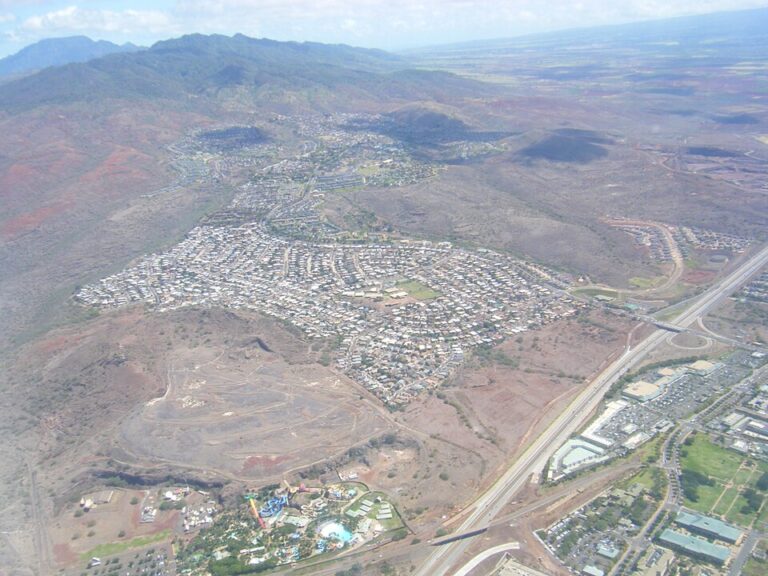
Makakilo is a hillside community on Oahu in Honolulu County, sharing many vehicle rules with Kapolei and the rest of the island. This guide focuses specifically on makakilo car insurance decisions when a vehicle’s use changes or when it goes into storage.
HawaiiCarInsurance.com is operated by Drivers Insurance Agency, Inc. and helps Hawaii drivers understand and compare auto coverage in plain English. Online quote forms are still under construction, but you can call (844) 864-1313 to discuss options.
Makakilo drivers handle statewide insurance requirements and Honolulu County registration processes separately. A change in how often you drive is a reason to review the policy, not a promise of a lower premium. Compare actual quotes using the same limits, deductibles and term.
Check current county procedures at official Honolulu websites, including the Stored Vehicle Program page and HPD District 8, which covers Makakilo and Kapolei. Those agencies are independent from HawaiiCarInsurance.com.
Required Car Insurance in Makakilo Before a Vehicle Goes on the Road
Makakilo drivers must follow Hawaii’s statewide minimum auto insurance rules before driving anywhere on Oahu, whether they live mauka near the ridgeline or makai closer to Kapolei.
For new and renewal policies effective on or after January 1, 2026, Hawaii law requires at least 40/80/20 liability coverage: $40,000 bodily injury per person, $80,000 per accident, and $20,000 property damage. The previous liability-only coverage at 20/40/10 limits is now obsolete.
Required PIP provides at least $10,000 in eligible medical and rehabilitation benefits, subject to law and policy terms, regardless of fault. Wage-loss coverage is a separate optional benefit. PIP does not replace liability coverage for damage you cause to others.
-
Hawaii insurers must offer UM/UIM, which may be rejected in writing. Stacking is a separate option; ask how your selections apply across household vehicles.
-
Short or infrequent trips do not reduce the required liability and PIP limits.
-
Memo 2026-2PC prohibits ZIP-code rating for new and renewal policies effective October 1, 2026 or later. Approved county-level rating may still apply.
-
HRS 431:10C-207 prohibits rating based on age, sex, marital status or credit bureau rating. Provide accurate driver, vehicle and use information.
Compare higher liability limits and optional benefits with your household budget and potential exposure. Our quote comparison guide explains how to compare equivalent coverage. Call (844) 864-1313 with questions.
Official Vehicle Storage in Makakilo (Honolulu County Rules vs. Insurance)
Makakilo residents sometimes want to park a car long-term in a driveway or garage – a project truck, a second car, or a vehicle left behind by a family member. You may hear about Honolulu’s Stored Vehicle Program, but county “storage” affects registration and fees, while insurance decisions are entirely separate.
Key points from the Honolulu Stored Vehicle Program:
-
The Honolulu Stored Vehicle Program provides a registration-fee exemption for qualifying officially stored vehicles.
-
Registration must be current when applying. Request storage before it begins and follow the city’s instructions for form CS-L(MVR)46 and surrender of plates, emblem and registration certificate.
-
An officially stored vehicle cannot be driven, including to a safety inspection. Arrange towing when it must be moved.
-
Confirm current eligibility, private-property storage and return-to-road procedures directly with the city.
Three situations with different implications:
-
Mostly parked but still used: Keep required insurance, registration and inspection compliance before driving.
-
Registration or inspection expired: Parking at home does not establish official stored status. Resolve the county requirements before road use.
-
Officially stored: Follow the city’s no-driving requirement and handle any proposed insurance change separately with the insurer and lender.
County storage status does not automatically cancel or change an insurance policy. Your insurance company will only adjust coverage if you contact it and request changes, subject to the insurer’s rules and any lender requirements.
Do not rely solely on neighbor advice about stored vehicles. Check the Honolulu city website for current program details and contact HPD District 8 for enforcement questions about stored or inoperable vehicles on public streets.
Insurance Choices When Your Makakilo Vehicle Is Parked, Rarely Driven, or Officially Stored
Makakilo households sometimes need to adjust insurance when a car sits in a carport for months at a time. The right choice depends on whether the vehicle ever goes on the road, whether there is a loan or lease, and the insurer’s own rules.
-
Parked or rarely driven: Describe actual use to the insurer. Required liability and PIP must be in force before any road use, with registration and inspection requirements met.
-
Officially stored: Ask which coverages the insurer will permit you to retain or change, and obtain lender or lessor approval where required. Comprehensive-only coverage may not be available or appropriate.
-
Comprehensive: It may cover specified non-collision losses, such as theft, fire or vandalism, subject to deductible, exclusions and policy terms. It does not replace required liability and PIP for driving.
-
Financed or leased vehicles: Review the contract’s continuous-coverage requirements before reducing protection.
-
Resuming use: Get insurer acceptance and exact effective timing for any restoration. A request alone is not confirmation.
Cancelling all coverage on a car sitting in a Makakilo driveway leaves the owner exposed to theft, vandalism, and weather damage. We do not recommend full cancellation solely for savings. Any change in vehicle use – such as converting a commuting car into a rarely driven second car – should be communicated to the insurer so the rating and garaging information match reality. Remember that a quote does not bind coverage until the insurer confirms the accepted effective date and time.
Before Storage, During Storage & Back on the Road: Makakilo Checklist and Example
This section gives Makakilo drivers a practical step-by-step checklist, a simple comparison table, and a fictional household example showing how these decisions might play out.
Before Storage Checklist
-
Confirm whether the car will be officially stored or just parked
-
Check registration and safety inspection dates
-
Review loan or lease documents for coverage requirements
-
Call your insurance company or agent
-
Photograph the vehicle’s condition
-
Choose a secure location on private property
During Storage Checklist
-
Do not drive an officially stored vehicle.
-
Keep the insurer- and lender-approved protection in force and monitor renewal/payment notices.
-
Retain storage approval, forms and coverage confirmations.
-
Follow suitable manufacturer or professional maintenance guidance and secure the vehicle on private property.
Returning to the Road Checklist
-
Ask the city for the current process to end storage and satisfy registration and inspection requirements.
-
Arrange towing for an inspection or other movement while road use is not permitted.
-
Confirm required liability and PIP with the insurer, along with UM/UIM selections and other chosen coverage.
-
Obtain written confirmation of the accepted effective date and time.
-
Drive only after insurance, registration, plates and inspection requirements are satisfied.
Comparison Table
|
Situation |
County status |
Insurance action |
Road use |
|---|---|---|---|
|
Daily use |
Current registration and inspection |
Maintain required liability/PIP and chosen or lender-required coverage |
Only when all requirements are met |
|
Rarely driven |
Parking alone creates no storage exemption |
Disclose actual use; retain required road coverage |
Same legal requirements apply |
|
Officially stored |
City-approved storage and surrendered documents/plates |
Review changes separately with insurer and lender |
No driving; arrange towing |
Fictional Example: Kaleo and Malia
This example is entirely fictional and is not a real client story.
Kaleo and Malia live off Makakilo Drive with two vehicles: a daily-use sedan and an older SUV. When Kaleo accepts a one-year work assignment on the mainland, they decide to store the SUV. Here is what they do:
-
They confirm the SUV qualifies for the city’s storage program while registration is current.
-
Because the SUV is financed, they ask both lender and insurer what coverage must remain. They retain the approved package rather than assuming comprehensive-only protection is sufficient.
-
They submit the required city form and surrender the plates, emblem and registration under current instructions.
-
They store the SUV on private property and keep the approval and policy documents.
-
Before returning to road use, they arrange any required towing, complete county registration and inspection steps, and obtain insurer confirmation of required coverage and its effective time.
Exact premiums, coverage options, and procedures will vary by insurer and over time. This is not legal advice – confirm details with the city, HPD, and your own insurer.
If you are planning storage or a major change in vehicle use, call HawaiiCarInsurance.com at (844) 864-1313 to review how different coverage setups could work for you. We cannot change or approve county registration paperwork, but we can help you compare auto insurance options that fit your situation.
Makakilo Car Insurance FAQ
These FAQs address common Makakilo-specific questions about car insurance, storage, and returning a vehicle to the road.
Can I drive my Makakilo car “just around the block” if it is registered under Honolulu’s Stored Vehicle Program?
No. Once a vehicle is officially placed in the Stored Vehicle Program and its plates and registration are surrendered, it may not be driven on public roads in Makakilo or anywhere on Oahu – not even for a short test drive. Any movement on public streets would generally require towing until storage is ended and registration reinstated. Confirm current enforcement details with Honolulu city and HPD.
Can I keep only comprehensive insurance on my Makakilo car while it is stored?
Some insurance companies allow comprehensive-only coverage when a vehicle is not being driven, and some may require formal storage status. Others will not offer it. Comprehensive does not satisfy Hawaii’s liability and PIP requirements for any driven vehicle, and lenders often require continuous collision and comprehensive. Get explicit confirmation from your own insurance company and lienholder before changing coverage.
What happens to my insurance if my Makakilo registration expires while the car is parked?
Expired registration does not itself establish official storage or tell you whether the policy remains active. Confirm policy status with the insurer and resolve county registration and inspection requirements before driving. Do not assume an expired registration automatically determines the outcome of an insurance claim; coverage depends on the facts, policy and applicable law.
Do Makakilo car insurance rates still depend on my exact ZIP code?
Memo 2026-2PC prohibits ZIP-code rating for new and renewal policies effective October 1, 2026 or later. Approved county-level rating may still apply. Supply the true vehicle location and ask the insurer to explain the permitted factors used in your quote.
How do I get help comparing coverage for a stored or rarely driven car in Makakilo?
Call HawaiiCarInsurance.com at (844) 864-1313 to talk with Drivers Insurance Agency, Inc. about Hawaii auto coverage options for stored, occasional-use, or daily-use vehicles. You can also explore our minimum car insurance and Ewa Gentry car insurance pages for nearby comparisons. Quotes are estimates only, do not bind coverage, and the insurer must confirm the effective date and time of any policy changes.