On this page
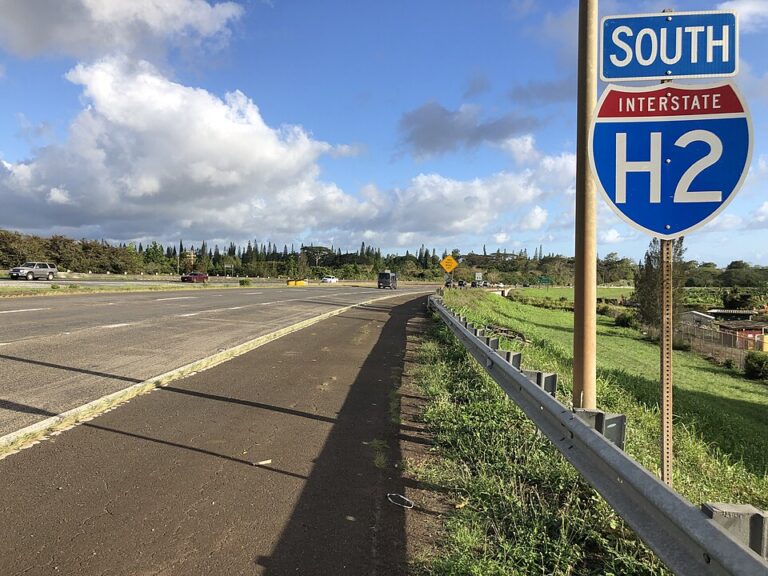
Relocating to Wahiawa means managing a long list of logistics – packing, shipping, housing, schools, jobs. Auto insurance rarely feels urgent until the day your car rolls off a cargo ship at Honolulu Harbor and you realize you are not sure whether you are actually covered. This guide walks civilian and military households through every insurance step of the move, from pre-departure planning to your first drive up H-2 toward central Oahu.

Key Takeaways
-
Hawaii law now requires at least 40/80/20 liability plus $10,000 Personal Injury Protection on all new and renewal auto insurance policies effective January 1, 2026, per the Hawaii DCCA minimum-limits FAQ.
-
Registration and licensing in Wahiawa are completely separate from auto insurance. You must not operate a vehicle uninsured during any administrative or paperwork gap.
-
Shipping-company carrier liability and your personal auto insurance policy are different products. Coverage for damage in transit must be specifically confirmed with both the shipper and your insurer – it is not automatic.
-
Both civilian and military households follow the same Hawaii insurance minimums; military-related weight-tax benefits or licensing extensions are government benefits, not insurance discounts.
-
Contact HawaiiCarInsurance.com, operated by Drivers Insurance Agency, Inc., at (844) 864-1313 for help coordinating Wahiawa auto insurance. Phone help is available, though online quote forms are not yet live.
Understanding Wahiawa Car Insurance Requirements on Oahu
Wahiawa sits inland on Oahu between Mililani Town and Haleiwa, surrounded by agricultural land and military installations. Vehicles garaged in Wahiawa must comply with Hawaii’s statewide insurance rules – there are no separate “Wahiawa-only” requirements. Your coverage obligations are the same whether you live in Wahiawa, Kapolei, or Kailua on Oahu.
As of January 1, 2026, new and renewal auto insurance policies in Hawaii must carry at least $40,000 bodily injury liability per person, $80,000 per accident, and $20,000 property damage liability (40/80/20), plus at least $10,000 in Personal Injury Protection for medical and rehabilitation expenses. Hawaii is a no-fault state, meaning your own insurance pays for your medical expenses after an accident through PIP, regardless of who caused it. However, wage-loss benefits are optional add-ons and are not included in the basic $10,000 PIP minimum.
Insurers must offer UM/UIM coverage, which may be rejected in writing. Stacking is a separate option and is not automatic. Review the written selections and ask how they apply to household vehicles. See HRS 431:10C-301.
Higher liability coverage limits are often recommended for better financial protection, especially for families with assets to protect. Optional collision and comprehensive coverage are available in Hawaii. Collision coverage pays for damage to your own car after a covered collision, while comprehensive coverage helps with damage from non-collision events like theft or natural disasters. These are particularly important for financed or newer vehicles, where lenders typically require both.
Coordinating Your Move to Wahiawa with Auto Insurance
Whether you are shipping a household across the Pacific or relocating from another part of Oahu, your auto insurance must be coordinated with shipping dates, your arrival timeline, and your garaging address.
Provide the actual address where the vehicle will be kept, its use and household driver information. HRS 431:10C-207 prohibits rating based on age, sex, marital status or credit bureau rating. Memo 2026-2PC prohibits ZIP-code rating for new and renewal policies effective October 1, 2026 or later. Approved county-level rating may still apply.
-
Coordinate the true Oahu garaging address and the date the vehicle will be kept there with the insurer.
-
Disclose household and regular drivers; ask whom the insurer requires you to list.
-
Confirm insurer acceptance and the effective date and time before pickup or road use.
-
Disclose delivery, rideshare or other business activity separately from personal commuting; ask whether an endorsement or separate policy is needed.
Before You Move: Insurance and Shipping Checklist
Use this checklist several weeks before your move to Wahiawa, whether you are civilian or military.
-
Ask your existing insurer whether it can provide Hawaii-compliant coverage for the move and, if needed, arrange a new policy without an unintended gap.
-
Gather each VIN, lienholder details, current and planned garaging addresses, and shipping/arrival dates.
-
Read the shipper’s bill of lading and any optional protection: covered events, limits, exclusions, deductibles, notice deadlines and claim process.
-
Ask the auto insurer separately what coverage applies while the vehicle is in transit or in the carrier’s custody, and obtain a written explanation.
-
If a household member will borrow a car instead of shipping one, disclose regular access to the owner’s insurer. Do not assume a non-owner policy replaces household-driver listing.
Shipping Your Vehicle to Oahu: What Your Policy May and May Not Cover
Confirm the departure port, destination terminal and collection instructions with your chosen shipper. Plan insurance and document requirements for pickup before booking the journey to Wahiawa; the exact route and timing depend on the terminal and your arrangements.
The shipper’s responsibilities and your auto insurer’s coverage are separate. Read both contracts and confirm what applies to transit damage before loading. Neither should be assumed to cover every loss.
-
Ask the shipper about declared value, liability limits, exclusions and any optional protection; do not assume a standard dollar cap.
-
Confirm whether your auto policy applies during ocean transit and while the carrier holds the vehicle.
-
Check how any optional shipping protection coordinates with other coverage and how to report damage.
-
Document vehicle condition and odometer before shipment and at collection, following the shipper’s inspection and reporting procedures.
-
Ask what may remain in the vehicle and whether belongings have any coverage.
Arrival in Honolulu and Drive to Wahiawa: Avoiding Gaps in Coverage
Picture the day: your car is released at Honolulu Harbor, you start the engine, merge onto H-1, and head toward H-2 and Wahiawa. From that moment, the vehicle must be fully insured under a Hawaii-compliant policy. There is no grace period.
Insurance coverage does not depend on whether the vehicle is already registered with Honolulu County. Registration is a separate legal requirement. You cannot drive uninsured while waiting to visit Wahiawa Satellite City Hall or any other office.
To avoid the unexpected gap:
-
Arrange insurer-confirmed coverage effective before vehicle pickup or driving, and separately address transit coverage. If dates change, obtain confirmation of any revised effective timing.
-
Have current insurance proof accessible and verify VIN and dates against the insurer’s confirmation.
-
Confirm each vehicle individually if they arrive on different dates. A quote or unaccepted request is not proof of coverage.
Registering and Titling in Wahiawa: Insurance vs. Honolulu City Services
Auto insurance is a private contract between you and an insurer. Vehicle registration and titling are handled by the City and County of Honolulu. These are completely separate processes, and Honolulu offices are not insurance agencies.
The Honolulu services and locations page lists Wahiawa Satellite City Hall and other county offices. Check which location handles your transaction, its current hours, appointments and required documents before visiting.
Before arranging a county visit, identify your specific transaction:
-
Initial registration of a vehicle brought from out of state
-
Registration renewal or address update
-
Title or ownership change
-
Replacement documents, plate or emblem
-
Any conditional military documentation or exemption
Available transactions and appointment requirements vary by office. Follow the current official instructions for your situation.
Valid Hawaii auto insurance with the required minimum limits is typically needed to complete registration. Arrange coverage before visiting. Bring proof of insurance, shipping documents, out-of-state title or registration, and lienholder documents to streamline the process.
Military Households Stationed Near Wahiawa (Without Assuming Status)
Many households near Wahiawa have ties to Schofield Barracks or Wheeler Army Airfield. This guide addresses both military and civilian readers without assuming eligibility for any particular insurer or discount.
The Honolulu military service member information page explains conditional licensing and vehicle-registration benefits, including qualifying weight-tax exemptions. Eligibility depends on the person and required documentation. These government provisions are separate from insurance discounts and do not waive required auto coverage.
The NAIC guidance for military deployment planning recommends that service members review their auto policy, renewal dates, and payment arrangements before deployment. Ask your insurer what coverage can be suspended while a vehicle is unused. Rules differ by state, carrier, and lender.
Before reducing coverage during an absence, confirm insurer rules, lender requirements, official storage steps if applicable, and how coverage will be restored. An unused vehicle may still face theft, fire or other loss. Different events fall under different coverage provisions; comprehensive does not cover every kind of vehicle damage.
How HawaiiCarInsurance.com Helps Wahiawa Drivers Compare Auto Insurance
HawaiiCarInsurance.com is a Hawaii-focused resource operated by Drivers Insurance Agency, Inc., designed to help Oahu drivers – including those in Wahiawa and nearby Mililani Town – find and compare auto insurance options in plain English. Hawaii’s insurance market includes both national carriers and local specialists, and auto insurance premiums can vary significantly between insurers, so comparing is worth the effort.
Public online quote requests are currently unavailable. Call (844) 864-1313 to discuss coverage options and the timing of your move.
Discuss required and optional limits, collision and comprehensive, UM/UIM selections and separate stacking options. Quotes do not bind coverage; confirm insurer acceptance and the effective date and time. Explore our city guides and quote comparison guide.
Relocation Case Study: Two Fictional Wahiawa Households
The following two fictional households illustrate how the same Hawaii rules produce different insurance decisions depending on each family’s situation.
The Kim Family (Civilian)
The fictional Kim household moves from Oregon to Wahiawa with a financed SUV and a paid-off compact car. The example illustrates planning questions, not an actual offer or claim outcome.
-
Before moving, they ask whether their existing insurer can provide appropriate Hawaii coverage and compare alternatives if needed.
-
They review lender requirements for the SUV and separately choose coverage for the compact, including required liability and PIP.
-
They obtain written answers about the shipper’s liability and auto-policy transit coverage without assuming a standard cap.
-
They confirm accepted coverage and effective timing before pickup, and check county requirements before road use.
-
After moving, they verify the new address, drivers, VINs and coverage documents.
Sergeant Lopez and Family (Military-Connected)
The fictional Lopez household moves near Wahiawa with a leased sedan and a paid-off truck. Military-related eligibility must be confirmed individually.
-
They confirm coverage availability in Hawaii, lease requirements, UM/UIM selections and the separate stacking choice.
-
They review shipping protection and auto transit coverage separately, checking exclusions and possible overlap before buying additional protection.
-
Because the vehicles arrive on different dates, they confirm each VIN’s effective coverage independently.
-
They ask the appropriate government office about licensing or weight-tax benefits rather than assuming qualification.
-
Before any deployment, they review renewal, payment, lender and storage requirements with the insurer.
-
If they later move to Mililani Town, they report the actual new vehicle location and use.
Lessons from both households: Start planning weeks before the move. Get written answers about transit coverage. Activate Hawaii auto insurance before pickup. Update addresses and drivers whenever your household changes.
Quick FAQs for Wahiawa Car Insurance and Moving to Oahu
Do I have to change my auto insurance the day I move into Wahiawa?
Contact your insurer before the move and explain where and when the vehicle will be kept and driven. Confirm whether the existing policy can cover the change or whether a new Hawaii-compliant policy is needed. Coordinate accepted effective dates and separately confirm transit coverage so you do not rely on an assumed temporary extension.
How does the Hawaii ban on ZIP-code rating affect Wahiawa drivers?
Memo 2026-2PC prohibits ZIP-code rating for new and renewal policies effective October 1, 2026 or later. Approved county-level rating may remain. Provide your true garaging address and ask the insurer how permitted factors affect your quote.
Does renters insurance cover my car while I’m parked at my Wahiawa apartment?
Renters insurance generally does not cover damage to the vehicle itself. Personal belongings stolen from a vehicle may have coverage under a renters policy, subject to its terms, exclusions, limits and deductible. Review vehicle damage and belongings separately. If comparing a bundle, compare the total cost and each policy’s terms.
What is non-owner auto insurance, and could it help me in Wahiawa?
A non-owner policy may provide liability protection for an eligible person who does not own a vehicle, subject to insurer rules and policy terms. It generally does not cover physical damage to the borrowed vehicle and may not suit someone with regular access to a household car. Disclose your actual access and use before choosing coverage.
What should I verify if my vehicle delivery date changes?
Notify the insurer and shipper, confirm any revised coverage dates in writing, and check each VIN before collection. Update pickup arrangements and county appointments as necessary. Do not drive until required coverage and other road-use requirements are satisfied.