On this page
Drive Your Older Waipio Car With Confidence – Without Paying for Coverage You May Not Need
If you own an older, mostly paid-off car in Waipio, you face a straightforward but important question: should you keep paying for collision and comprehensive coverage, or does it make more sense to carry only what Hawaii law requires? The answer depends on your car’s current actual cash value, your deductibles, what you pay in premiums, and whether you could handle replacing the vehicle out of pocket.
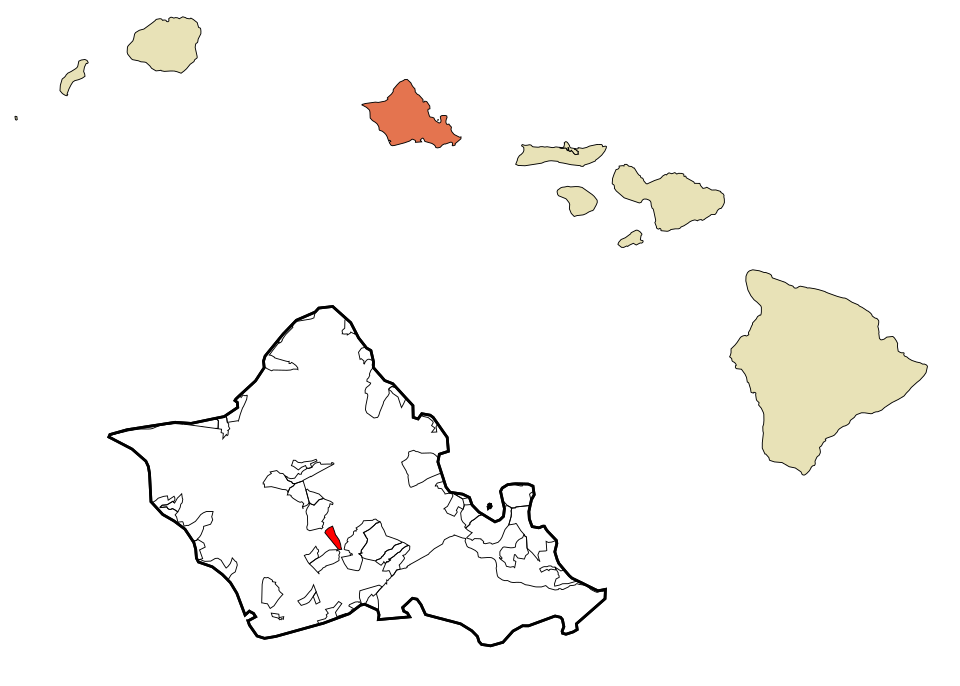

Waipio sits on Oahu near Waipahu and Mililani Town – not to be confused with Waipio Valley on Hawaiʻi Island or Waipio Acres. Drivers here deal with the same state insurance laws as the rest of Hawaii, but local factors like commuter traffic, parking exposure, and tropical weather can shape which optional coverages still earn their keep. There is no universal age or value cutoff where “full coverage” is always or never worth it. The right policy depends on your numbers, your lender’s rules, and how much loss you can absorb.
At HawaiiCarInsurance.com, operated by Drivers Insurance Agency, Inc., we help drivers compare car insurance options over the phone at (844) 864-1313. Quotes never bind coverage – a policy starts only when an insurer confirms acceptance. This article walks you through practical math examples, lender rules, and a checklist tailored to an older Waipio vehicle, so you can make a confident, informed decision.
Car Insurance Basics for Waipio Drivers With Older Vehicles
Before adjusting anything, it helps to understand what each piece of your policy actually does.
-
An “older car” simply means a vehicle that is several model years old, may have higher mileage, and is often paid off. There is no official age cutoff that changes your insurance obligations.
-
“Full coverage” is informal shorthand – it is not a standard policy type. It typically refers to a bundle of liability, PIP, collision, and comprehensive, but each coverage is selected separately with its own limits, deductibles, and premiums. Full coverage often includes additional protections against theft and weather damage.
-
Hawaii is a no-fault state requiring Personal Injury Protection coverage. After an accident, your PIP pays your medical and rehabilitation costs regardless of who caused it. But liability still applies: if you cause injuries or property damage to others, your liability coverage responds.
-
Older cars in Waipio follow the same state legal minimums as vehicles anywhere else in Hawaii. There is no Waipio-specific law, though local driving conditions, parking situations, and storm exposure may influence which optional coverages remain valuable.
-
If your car is still financed or leased, your lender can require coverages beyond the state minimum – most commonly collision and comprehensive – until the loan is paid off.
Why Coverage Decisions for an Older Waipio Car Are Different
Choosing coverage for an older vehicle is a different exercise than insuring a new one straight off the lot.
-
Older cars usually have a lower actual cash value (ACV). Because collision and comprehensive pay based on ACV minus your deductible, the potential payout after a major loss may be modest compared to what you pay in annual premiums.
-
Many older Waipio cars are already paid off, which means no lender is requiring you to carry physical damage coverage. You have the freedom to select only the coverages that make financial sense.
-
Repair decisions shift, too. When the cost of fixing body damage or covered crash repairs approaches or exceeds the car’s market value, spending money on repairs – or paying premiums to insure against that scenario – may not pencil out.
-
Contrast two drivers: one with solid savings who could replace a used car quickly, and another who depends entirely on that older vehicle to get to work. Their coverage decisions should look very different.
-
Dropping collision or comprehensive does not affect your required liability or PIP. Those must still meet or exceed Hawaii’s minimums regardless of car age or value.
Required vs. Optional Coverages in Hawaii (2026 and Beyond)
Understanding what the law demands versus what is optional is the foundation of every coverage decision.
Effective January 1, 2026, new minimum coverage requirements apply to all new and renewal auto policies in Hawaii:
Required by law:
-
At least $40,000 bodily injury liability per person
-
At least $80,000 bodily injury liability per accident
-
At least $20,000 property damage liability per accident
-
At least $10,000 personal injury protection (PIP) per person per accident, covering medical and rehabilitation expenses under Hawaii’s no-fault framework
PIP at the base $10,000 level is primarily for medical and rehabilitation costs. Wage loss and death benefits are separate optional coverages that insurers must offer but that are not automatically included.
Optional but commonly carried:
-
Uninsured/underinsured motorist (UM/UIM): Insurers must offer these coverages, but you may reject them – through a written rejection. Stacking is a separate offer and election; check your policy and selection forms rather than assuming limits combine.
-
Collision coverage is optional in Hawaii car insurance under state law, though lenders often require it.
-
Comprehensive coverage is also optional in Hawaii, subject to the same lender considerations.
Insurance pricing and mandatory coverage requirements can vary by state, so drivers moving to or from Hawaii should review their obligations carefully. For statewide guidance, visit the Hawaii Insurance Division auto consumer page or the minimum-limits FAQ.
Collision vs. Comprehensive: What They Cover for an Older Car
These two “physical damage” coverages are the ones older-car owners most often debate keeping or dropping. They protect your vehicle – not other people – and each covers different causes of loss.
Collision Coverage for an Older Waipio Vehicle
-
Collision pays to repair or replace your car (up to its ACV) when it is damaged in a crash with another vehicle or object, regardless of fault, subject to your deductible.
-
Local examples: backing into a concrete pillar in the Waipio Shopping Center parking lot, or rear-ending someone near the H-2 on-ramp.
-
Your collision deductible (for example, $500 or $1,000) appears as its own line item on your declarations page with its own premium.
-
Collision does not generally pay for mechanical breakdown, worn brakes, old tires, or routine maintenance.
-
If another driver is clearly at fault and properly insured, their liability coverage may pay for your damage – your collision coverage is a backup if that process is slow or disputed.
Comprehensive Coverage for an Older Waipio Vehicle
-
Comprehensive (other-than-collision) pays up to ACV for many non-crash events, subject to its own separate deductible.
-
Local scenarios: storm damage from falling tree branches during heavy Oahu rains, a stolen catalytic converter while parked near Waipio Gentry, or a window broken during a break-in.
-
Personal belongings inside your car – a stolen laptop, a surfboard – are typically not covered by auto comprehensive. Those may fall under homeowners or renters insurance instead.
-
Wear, rust, fading paint, and pre-existing body damage are usually excluded.
-
Some drivers select a lower deductible for comprehensive (to cover theft or vandalism) and a higher one for collision, tailoring costs to their specific risk exposure.
Understanding Actual Cash Value (ACV) for Your Older Car
ACV is the estimated market value of your car just before the accident, considering age, mileage, and condition. It is not what you originally paid, and it is not a promise to buy a brand-new replacement. Insurers base total-loss settlements and many larger repair decisions on ACV.
Hypothetical example (illustration only, not a guaranteed settlement):
-
Suppose your older sedan in Waipio has an actual cash value of $8,000 at the time of a covered loss.
-
You carry collision with a $1,000 deductible.
-
In a total-loss situation, the starting point could be: $8,000 ACV – $1,000 deductible = $7,000 before any applicable taxes, fees, or other adjustments.
Compare each coverage premium separately with its potential benefit after the deductible that applies to that claim. Collision and comprehensive deductibles are not normally both charged for a single cause of loss. If those combined costs represent a large fraction of the ACV, the coverage may be offering limited financial value. Use widely available valuation tools and recent Oahu sales listings to estimate your vehicle’s worth, and consider discussing the numbers with an agent.
Comparing Deductibles and Premium Line Items
For an older car, the question is not simply “Do I have full coverage?” but rather “What am I paying for each piece, and what could I actually collect?” Your auto declarations page typically shows:
-
Liability and PIP limits and their listed premiums
-
A separate premium and deductible for collision
-
A separate premium and deductible for comprehensive
-
Separate premiums for towing, rental reimbursement, UM/UIM, and other options if purchased
Higher deductibles can lower premiums but leave you responsible for more of a covered loss. Compare the annual premium for each coverage with the maximum potential total-loss benefit after its applicable deductible, then consider how you would fund repairs or replacement. This is a budgeting comparison, not a break-even formula or a prediction of whether you will have a claim.
When gathering quotes, comparing the same coverage limits across insurers is essential to evaluate real savings. It is advisable to collect multiple quotes from different insurance providers, but always match limits and payment terms so the comparison is fair. Your driving record, vehicle details and selected coverage affect your individual quote.
Can You Afford to Lose the Car? Evaluating Your Risk Tolerance
Your finances and daily life in Waipio should drive coverage decisions as much as the car’s age.
-
If your older car were totaled tomorrow with no payout, could you afford to replace it or manage without a vehicle?
-
How would losing transportation affect commuting from Waipio to Honolulu, school pickups, or caring for family?
-
Do you have savings that could cover a down payment on a replacement?
A driver who could absorb a loss and quickly fund another used car may be comfortable dropping collision and possibly comprehensive. A driver relying on a single older vehicle with limited savings may decide keeping both coverages is worth the ongoing cost. Either way, liability and PIP should be maintained at levels that protect your assets and income – regardless of what the car itself is worth.
What If Your Older Car Is Still Financed?
Lender requirements can override your personal preferences on collision and comprehensive.
-
Most auto lenders require both coverages until the loan is fully paid off. The lender is listed as loss payee on your policy.
-
If you drop required coverage, your lender may add force-placed insurance that protects the lender but tends to be expensive and limited for you.
-
Check your loan or lease contract to confirm required coverages and maximum permitted deductibles before making any changes.
-
Once the loan is paid and the lien is released, you usually may adjust or remove collision and comprehensive, subject to insurer rules.
-
If you are close to paying off the car, it makes sense to time coverage changes for the renewal period after the lender’s requirements end.
Other Optional Protections to Review for an Older Car
Even if you reduce collision or comprehensive, other optional coverages can remain valuable.
-
UM/UIM: Protects you if hit by a driver with little or no liability coverage. Must be offered; written rejection is required if you decline.
-
Rental reimbursement: Covers a temporary rental car after a covered loss. Ask about daily limits and maximum days – caps can be reached quickly if repair parts are delayed to Hawaii.
-
Towing and roadside assistance: Useful for older vehicles more prone to breakdown. Caps per tow vary among insurers.
-
Medical payments: Ask whether optional medical payments coverage is available and how it coordinates with PIP.
-
Non-owner policies: If you sell your older car but still sometimes drive vehicles you do not own, a non-owner policy may cover liability. Eligibility rules vary by insurer.
Step-by-Step: How to Review Your Waipio Car Insurance for an Older Vehicle
Step 1: Gather Your Information
-
Locate your current auto policy declarations page showing limits, deductibles, and each coverage premium.
-
Find your loan or lease documents if the vehicle is still financed.
-
Record your current odometer reading and note any major recent repairs that affect condition.
-
Use an online vehicle valuation tool or recent Oahu sales listings to estimate your car’s ACV.
Step 2: Run the Numbers
-
Total your yearly collision and comprehensive premiums for that car.
-
Compare each coverage premium and its applicable deductible with the estimated ACV; do not add both deductibles to one claim.
-
Consider realistic claim scenarios: a minor fender-bender versus a total loss.
-
Ask yourself: “If I had a $2,000 repair on a car worth $6,000, how would my deductible and coverage work?” and “If the car were totaled, would the potential payout meaningfully help me replace it?”
Step 3: Adjust Coverage With Guidance
-
Call (844) 864-1313 to discuss raising or lowering liability limits beyond 40/80/20, whether to keep or modify collision and comprehensive, UM/UIM options, and stacking choices.
-
Drivers should compare rates from multiple insurers for savings, but always use the same limits and deductibles for a fair comparison.
-
Coverage changes are not effective until confirmed by the insurer and documented on your policy.
Waipio and Nearby Resources: Insurance and Registration Logistics
Keeping registration and insurance in sync helps you avoid fines and coverage gaps.
Waipio has a vehicle registration self-service renewal kiosk at Waipio Shopping Center Foodland, 94-1040 Waipio Uka St., Waipahu. This is a self-service motor vehicle registration renewal kiosk – it is not a driver licensing office. For current service details, visit the official Honolulu services and locations page.
Nearby guides cover Waipahu and Mililani Town, with different local coverage considerations. You must keep at least Hawaii’s minimum required liability and PIP coverage in force any time the vehicle is driven on public roads, even if it is older. Hawaii prohibits ZIP-code-based rating factors under certain regulations, so your Waipio address is not used as a ZIP-code rating factor – though approved county-based rating may still apply.
Checklist: Deciding Whether to Keep Collision and Comprehensive on Your Older Waipio Car
Use this checklist to organize your decision. Fill in your own numbers and check the boxes that apply.
-
My car’s estimated ACV is approximately $__
-
My car is:
-
[ ] Paid off
-
[ ] Still financed or leased (check lender requirements first)
-
-
My total yearly collision + comprehensive premium is roughly $__
-
My collision deductible is $__ and my comprehensive deductible is $__
-
I could / could not replace this vehicle from savings if I received no insurance payout
-
My lender or lease contract does / does not require collision and comprehensive
-
I understand that dropping collision and/or comprehensive does not change my duty to carry at least 40/80/20 liability and $10,000 PIP
|
Reasons to Keep Collision/Comprehensive |
Reasons to Consider Dropping or Raising Deductibles |
|---|---|
|
Potential benefit after the applicable deductible would materially help replace the car |
Small potential benefit after the applicable deductible relative to that coverage premium |
|
Daily reliance on car for work commute |
Car is rarely driven or used as a backup |
|
Low savings to replace vehicle |
Driver can afford to replace vehicle if necessary |
|
Vehicle is still financed or leased |
Lender requirement has ended |
|
Concern about covered theft, storm or parking damage |
Minimal exposure and secure parking |
Frequently Asked Questions About Waipio Car Insurance for Older Vehicles
These FAQs focus on older, mostly paid-off vehicles in Waipio.
Do I still need liability and PIP if my car is old and barely worth anything?
Yes. All drivers on Hawaii roads must carry at least 40/80/20 liability and $10,000 PIP on new and renewal policies, regardless of car value. Liability covers covered harm to others, including property damage; PIP covers eligible medical and rehabilitation expenses. Neither repairs your own vehicle. Effective January 1, 2026, Hawaii’s new auto liability limits are 40/80/20, and Hawaii requires at least $10,000 personal injury protection.
Is there a specific car age when I should automatically drop collision and comprehensive?
No. There is no magic age or mileage cutoff. Decisions depend on ACV, premiums, deductibles, lender requirements, and your ability to absorb a loss. Review your coverage annually, especially as your car ages or your finances change. The NAIC consumer auto insurance tool offers general coverage education.
Will my Waipio address, age, or credit score change my car insurance price?
Hawaii has specific rules about rating factors. ZIP-code-based rating is prohibited under Commissioner Memo 2026-2PC, though approved county-based rating may still apply. Hawaii law prohibits rating based on age, sex, marital status or credit-bureau ratings. Driving experience is a different consideration. See HRS 431:10C-207 and the ZIP-code rating memo.
What happens if my older car is declared a total loss?
The insurer evaluates your car’s ACV, subtracts the applicable deductible (collision or comprehensive depending on the cause), and offers a settlement subject to policy terms. You can ask the insurer to explain how ACV was calculated and present comparable-vehicle research if you disagree. The Hawaii Insurance Division provides consumer assistance for insurance questions.
How can I get help comparing options for my older car in Waipio?
HawaiiCarInsurance.com helps Waipio drivers compare coverage options for older vehicles. Call (844) 864-1313 to review limits, deductibles, and optional coverages. Have your current policy and basic vehicle information ready. Quotes do not bind coverage – policies start only after an insurer confirms acceptance.
Next Steps for Waipio Drivers With Older Cars
Focus on your car’s value, your budget, lender rules, and your comfort with risk – not age alone. To save time and move forward:
-
Review your declarations page and complete the checklist above.
-
Check official Hawaii resources for minimum coverage and consumer rights at cca.hawaii.gov/ins/consumer/auto/ and the minimum limits FAQ.
-
Call HawaiiCarInsurance.com at (844) 864-1313 to discuss possible adjustments for your specific Waipio situation.
There is no one-size-fits-all answer. The best policy is the one that fits your older car, your wallet, and your life on Oahu.